Key takeaways
- Clopidogrel is a prescription medication that helps prevent blood clots by keeping platelets from sticking together. Doctors prescribe it to reduce the risk of heart attacks or strokes in people with chest pain, peripheral artery disease, or a history of heart attack or stroke.
- Some people are born with a genetic difference that affects how their liver processes clopidogrel, making it less effective at preventing blood clots. Your doctor may test for this genetic difference and prescribe a different medication if needed.
- Clopidogrel can cause serious, sometimes life threatening bleeding, including unexplained bruising, blood in urine or stool, or prolonged bleeding. Talk with your doctor before having surgery or dental procedures, and before taking other medications like nonsteroidal anti-inflammatory drugs (NSAIDs) or blood thinners.
FDA Warning: Liver function warning
- This drug has a Black Box Warning. This is the most serious warning from the Food and Drug Administration (FDA). A black box warning alerts doctors and patients to potentially dangerous effects.
- Clopidogrel is broken down by your liver. Some people have genetic differences in how one of the liver enzymes, cytochrome p-450 2C19 (CYP2C19), works. This could slow how this drug is broken down in your body and make it not work as well. Your doctor may test you to see if you have this genetic difference. If you have it, your doctor will prescribe other treatments or drugs instead of clopidogrel.
Clopidogrel oral tablet is a generic prescription drug that’s available as the brand-name drug Plavix. Generic drugs usually cost less than the brand-name version.
- Generic: Clopidogrel (oral tablet)
- Strengths: 75 milligrams (mg), 300 mg
- Brand-name: Plavix (oral tablet)
- Strengths: 75 mg, 300 mg
Doctors prescribe clopidogrel to prevent heart attacks or strokes in people with chest pain, peripheral artery disease (poor circulation in your legs), or who have had a heart attack or stroke.
Clopidogrel belongs to a class of drugs called P2Y12 platelet inhibitors. It works by preventing blood clots by keeping platelets in your blood from sticking together.
Clopidogrel may be used as part of a combination therapy. That means you may need to take it with other drugs. Your doctor will decide if you should use this drug with other drugs, such as aspirin.
Clopidogrel oral tablet can cause mild or serious side effects. The most common include:
- bleeding
- itchy skin
If you have itchy skin, it may go away within a few days or a couple of weeks. If it is more severe or doesn’t go away, talk with your doctor or pharmacist.
Experiencing side effects? After the Food and Drug Administration (FDA) approves a drug, it tracks and reviews side effects of the medication. If you develop a side effect while taking this drug and want to tell the FDA about it, visit MedWatch or call 800-FDA-1088.
Serious side effects of clopidogrel
Serious side effects of clopidogrel include:
- Serious, life threatening bleeding: Symptoms can include:
- unexplained bleeding that lasts a long time
- unexplained bruises or bruises that get larger
- blood in your urine
- red or black tarry stools
- coughing up blood
- vomit that looks like coffee grounds
- Thrombotic thrombocytopenic purpura (TTP). This is a rare but serious blood-clotting condition that requires urgent treatment. TTP can occur after a short exposure to clopidogrel (less than 2 weeks). Symptoms include:
- purplish spots on your skin
- jaundice (yellowing skin and eyes)
- tiredness
- fever
- fast heart rate
- confusion
Call your doctor right away if you have serious side effects. Call 911 if your symptoms feel life threatening or if you think you’re having a medical emergency.
Clopidogrel can interact with several other medications. Before taking it, be sure to tell your doctor and pharmacist about all prescription, over-the-counter, and other drugs you take. Also, tell them about any vitamins, herbs, and supplements you use. Sharing this information can help you avoid potential interactions.
Medications that may interact with clopidogrel include:
- repaglinide, a diabetes drug
- proton pump inhibitors, such as omeprazole and esomeprazole
- nonsteroidal anti-inflammatory drugs (NSAIDs), such as aspirin and ibuprofen
- blood thinners, such as warfarin
- antidepressants, such as selective serotonin reuptake inhibitors (SSRIs) and serotonin-norepinephrine reuptake inhibitors (SNRIs)
- opioids, such as codeine and hydrocodone
Tips for taking clopidogrel
Follow these tips for taking clopidogrel safely:
- Timing: Take clopidogrel at the same time every day. You can use a medication reminder app on your phone or set an alarm to avoid forgetting to take it.
- Taking it: You can take clopidogrel with or without food, but taking it with food may help you avoid an upset stomach. Do not crush, chew or cut the clopidogrel tablet. Swallow it whole with water.
- Storage: Store clopidogrel at room temperature near 77°F (25°C). It can be stored for a short time at a temperature between 59°F and 86°F (15ºC and 30°C). Don’t store clopidogrel in moist or damp areas, such as bathrooms.
The clopidogrel dosage your doctor prescribes will depend on the condition the drug is treating. Clopidogrel is prescribed to adults only. It has not been proven safe and effective for people ages 18 years and under.
Typically, your doctor will start you on a low dosage and adjust it over time to reach the dosage that’s right for you. They’ll ultimately prescribe the lowest dosage that provides the desired effect.
The following information describes dosages that are commonly used or recommended. However, be sure to take the dosage your doctor prescribes for you.
Dosage for acute coronary syndrome
- Typical starting dosage: 300 mg, taken one time. Starting treatment without a loading dose will delay effects by several days.
- Maintenance dosage: 75 mg, taken once per day.
Dosage for recent heart attack, recent stroke, or peripheral arterial disease
- Typical dosage: 75 mg taken once per day.
What to do about a missed dose of clopidogrel
If you miss a dose, take clopidogrel as soon as you remember. If it’s almost time for your next dose, skip the missed dose. Take only one dose at your regular time. Don’t take two doses of clopidogrel at the same time unless your doctor tells you to.
What to do if you take too much clopidogrel
If you think you’ve taken too much clopidogrel, call your doctor or seek guidance from the American Association of Poison Control Centers at 800-222-1222 or through their online tool. But if your symptoms are severe, call 911 or go to the nearest emergency room right away.
A boxed warning is the FDA’s most serious warning of potential adverse effects.
For clopidogrel to be effective, your liver has to break it down and change it into an active form using an enzyme called CYP2C19. Some people are born with a genetic difference that stops this specific liver enzyme from working properly.
If you have this genetic difference, your liver can’t process the drug efficiently, meaning the medication won’t form enough of its active ingredients and will be less effective at preventing blood clots.
Your doctor might suggest a genetic test to see if your body has trouble breaking down this drug. If the test shows that your liver doesn’t process it well, your doctor will likely prescribe a different medication that will work better for you.
Along with its boxed warning, clopidogrel comes with several other safety warnings.
Serious bleeding warning
Clopidogrel can cause serious and sometimes fatal bleeding. You may bruise and bleed more easily, have nosebleeds, and it will take longer than usual for bleeding to stop. Tell your doctor about any serious bleeding, such as:
- unexplained, prolonged, or excessive bleeding
- blood in your urine or stool
Warning for surgery or procedure
Before having any procedures done, tell your doctors or dentists that you’re taking clopidogrel. You may need to stop taking this drug for a short time before a procedure to prevent bleeding. Your doctor will let you know when to stop taking this medication and when it’s safe to take it again.
Allergy warning
Clopidogrel can cause a severe allergic reaction. Symptoms may include:
- trouble breathing
- swelling of your face, lips, tongue, or throat
Don’t take this drug again if you’ve ever had an allergic reaction to it. You also shouldn’t take this drug if you’re allergic to thienopyridines (such as ticlopidine and clopidogrel). Taking it a second time after an allergic reaction could be fatal.
Alcohol interaction
Alcohol can increase your risk of bleeding while you’re taking this drug.
Warnings for people with certain health conditions
- For people with active bleeding: You shouldn’t take clopidogrel if you have an active bleed (such as a brain bleed) or a medical condition that causes bleeding (such as a stomach or bowel ulcer). Clopidogrel prevents clotting and increases your risk of bleeding.
- For people with an allergy to thienopyridines: If you’ve ever had an allergic reaction to any kind of thienopyridine, you shouldn’t take clopidogrel.
- For people with a recent stroke: You shouldn’t take this drug with aspirin if you’ve recently had a stroke. It can increase your risk of serious bleeding.
Pregnancy and breastfeeding
Studies haven’t shown that clopidogrel causes birth defects, but having a heart attack or stroke while pregnant is very dangerous to both the pregnant person and the baby. Your doctor will help weigh the risks. Experts are unsure whether the drug passes into breast milk, so talk to your doctor if you plan to breastfeed.
Clopidogrel is a prescription tablet that prevents dangerous blood clots to lower your risk of having a heart attack or stroke.
Clopidogrel carries serious risks like severe bleeding and might not work properly for people with a specific genetic difference that affects how their liver processes the drug.
Always take clopidogrel exactly as your doctor prescribes and talk with them before taking other medications or stopping your treatment.
Disclaimer: While Healthline strives for factual, comprehensive, and current consumer drug information, this article is not a substitute for a licensed healthcare professional’s expertise. Always consult a doctor before taking or discontinuing any medication. Drug information is subject to change and may not cover all uses, directions, precautions, warnings, interactions, reactions, or adverse effects. The lack of a warning does not guarantee a drug’s safety, effectiveness, or appropriateness for all patients or specific uses. Learn more about our approach to content integrity.
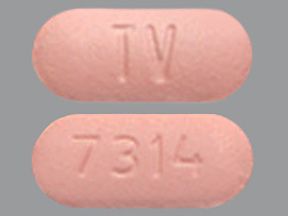
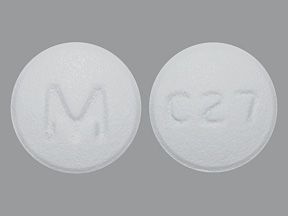
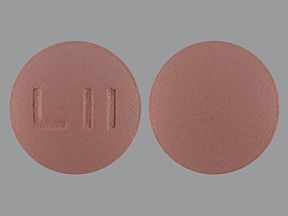
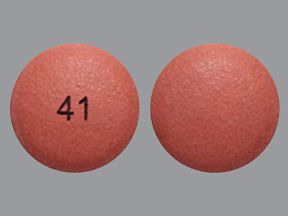
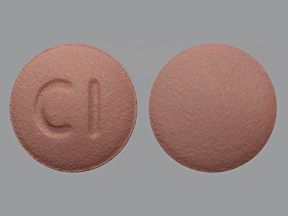
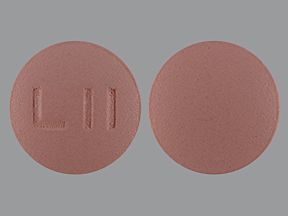
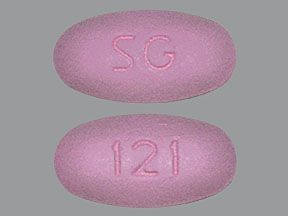
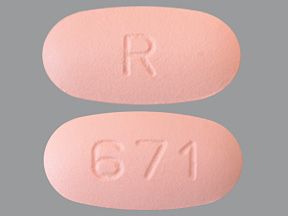
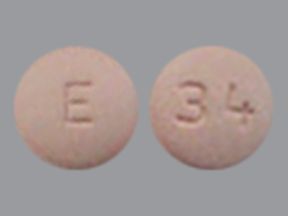
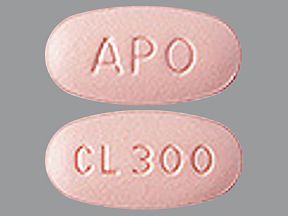
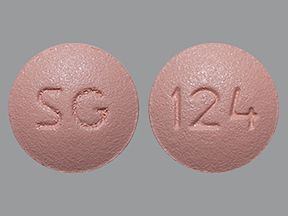
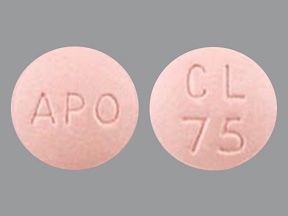
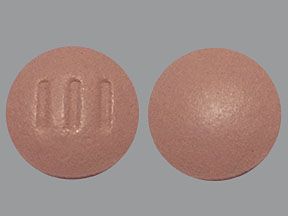
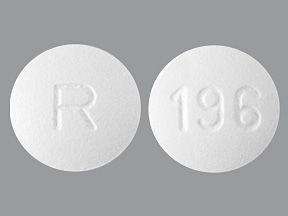
Clopidogrel, oral tablet images